
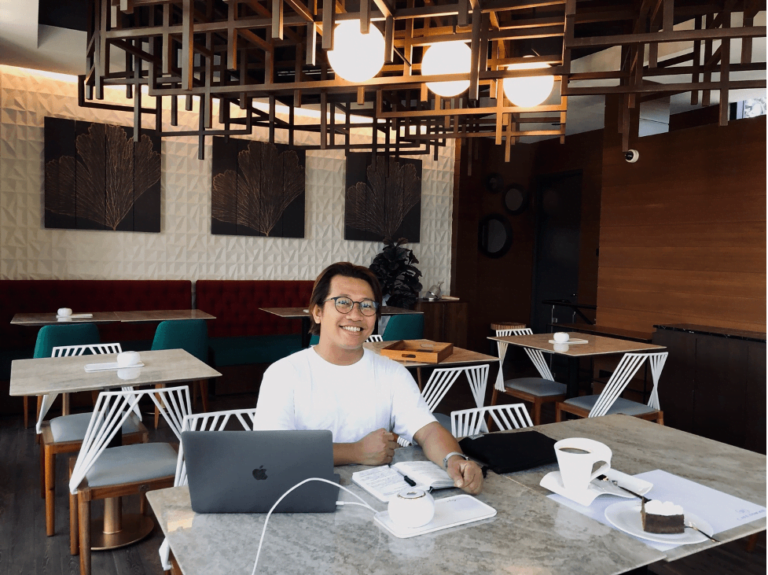
作者:Jesus Allaga Montajes(Department of Speech Communication and Theater Arts College of Arts and Letters University of the Philippines Diliman)
編按:Jesus Allaga Montajes來自菲律賓,目前在菲律賓迪里曼大學University of the Philippines Diliman)攻讀表演研究的博士課程,同時也是愛特諾德達沃大學(Ateneo de Davao University)語文與藝術系的教師。今年(2023)夏季他曾來臺參加「臺灣戲劇暨表演產業研究學會」的學術會議,通過這個機緣,我們邀請他介紹在菲律賓的就學情況,以及從事的表演藝術活動。以下摘譯內容,主要關於Jess如何從表演研究的角度探討菲律賓的原住民族群,以及修讀博士課程的感想。如果讀者有興趣了解Jess的完整經歷,敬請閱讀下方的英文全文。
我是Jesus Allaga Montajes,你可以叫我Jess。我正在菲律賓迪里曼大學(UPD)攻讀表演研究博士學位。我曾以NCCA和愛特諾德達沃大學總統獎學金,在民答那峨州立大學伊利甘技術學院(MSU-IIT)獲得文化與藝術碩士學位。目前我也是愛特諾德達沃大學(Ateneo de Davao University)語文與藝術系的學程教師。
我的研究興趣是文學、媒體、文化和表演研究中的女性主義。我在碩士時期聚焦於文化研究,特別是原住民環境女性主義(indigenous environmental feminism),最終完成一部電影作品,其中呈現原住民性別角色和生態實踐的觀念,特別是在南民答那峨(Southern Mindanao)。
在我的研究生階段,尤其是在我的碩士論文中,我開始有機會藉助電影這個現代工具,探索和推動我們區域中原住民環境的女性主義,這不僅充滿挑戰性且具吸引力。作為一名文化與藝術研究的學生/學者,我渴望電影能在上述議題中充分發揮潛力。
也就是說,我探索如何以電影為媒介或工具,藉以傳達當代Kamalitan聲音及訊息。Kamalitan是Matigsalog的一個詞彙,指馬提撒路族的女性成員。Matigsalog是一個語言族群,分布於達沃市(Davao City)東區的 Marilog、Bukidnon省的Kitaotao 、Quezon 和San Fernando。
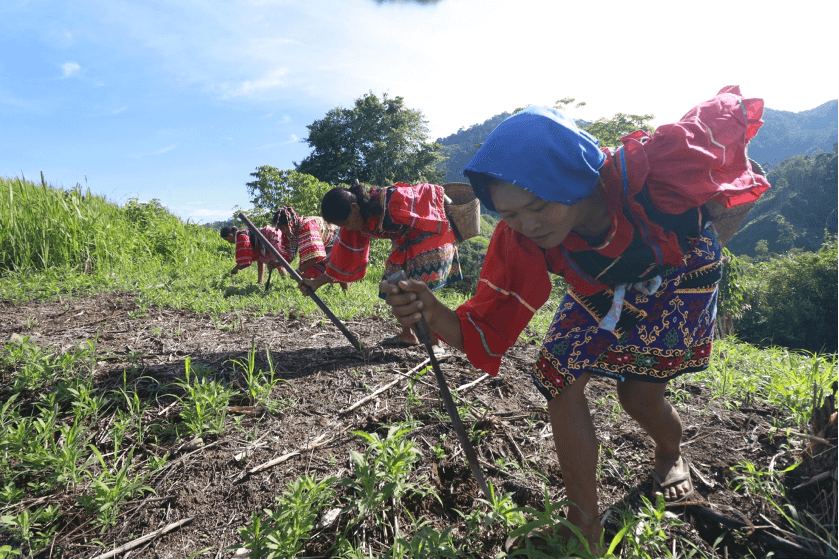
「Matigsalog」的意思是住在河邊的人,尤指達沃河,馬提撒路人通常簡稱它為salog。河流的源頭位於民答那峨Bukidnon省的San Fernando。
我的電影呈現了當代Kamalitan與環境之間的互動張力。由於有關當地原住民婦女的文獻和作品相當缺乏,建構主義式的扎根理論(constructivist grounded theory)1幫助我在研究過程中前進。這種方法有助於我在拍攝過程中,探究當代Kamalitan在實際處境中的各種問題。它也有助於我形成知識,以補充有關Matigsalog族群的文獻。
此外,在當代Kamalitan與環境的互動中,她們的聲音和訊息得以顯現,使她們獲得分享社群女性經驗的空間。我在研究中,探索以電影捕捉當代Kamalitan的生態、農業、性別文化實踐及角色的可行性。Kamalitan的性別和環境角色包括:1. 她們參與社區和家庭事務的決策空間;2. 通過建立婦女協會,促進社區的和平與和諧;3. 她們教育女性成員,特別是社會化和婦女賦權方面;4. 通過成為傳統農業的種子保護者,強化生態保護的主張和食品安全;5. 她們持續作為社區治療師的角色。
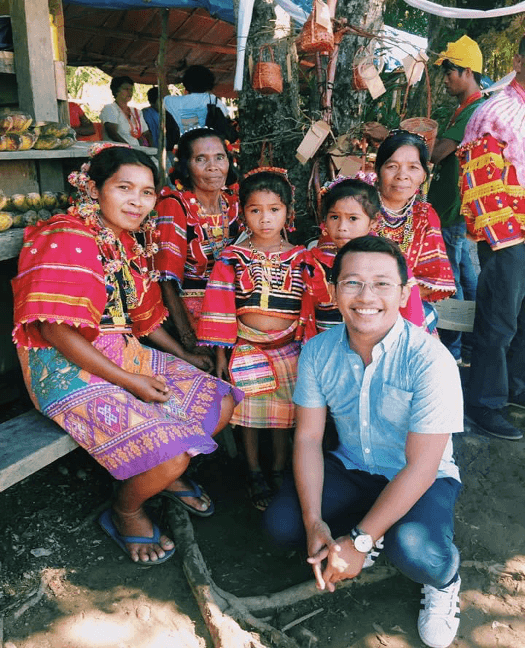
菲律賓的民答那峨是一個多元文化的島嶼,至少有十八種語言文化族群——在政治上稱為「Lumads」,十三個屬於邦薩莫洛(Bangsamoro)的伊斯蘭群體,與從北方遷移過來的居民共居於此。這裡不僅有豐富的語言多樣性,還有多元的生物。
促使我專注於民答那峨的原因,是其獨特的文化和創意表現力。由於研究當地原住民的地方文獻明顯欠缺,使他們被邊緣化。民答那峨的學者、文化工作者和研究者有必要提升民答那峨的研究。我希望能擴大原住民的豐富故事和傳說,特別是他們與自然的關係,以及他們與環境的緊密互動,如何在他們自己和社區中成為一種賦權的身份。
此外,我還想在博士研究中探索另一個興趣:節日文化,特別是民答那峨有關以水滋生萬物的節慶(water-nurtured festivities)。如我所說,民答那峨是多元社群和傳統的根據地,節日文化需要被進一步研究,因為它們是一種有力的資源,供以重新思考歷史和表演,把表演放在美學、地理、交流、文化、技術、經濟等各種脈絡中重新審視,並重新想像以「河流性」(fluviality)和流動性(fluidity)作為表演研究的論述和方法。
我相信民答那峨的學術機構必須強化和推動地方研究,以促進本國在文化、藝術及劇場和表演研究領域中,能有活躍的教學方法和課程發展。
到目前為止我很喜歡博士課程,儘管由於嚴格的要求而感到壓力。這些嚴格的學術要求包括評註和綜述、撰寫理論報告、將案例研究問題化、進行完整的研究寫作,以及體驗由學生主持的引導和交流。有時,我發現我的博士之旅是一項嚴峻的挑戰,因為課程要求挑戰你的觀點,甚至拆解某些關於知識傳授的傳統。
然而,很高興在課程中有支持我的導師和同學,我可以向他們求助有關博士課程的事務和擔憂。我必須說,在一個彼此關心的緊密圈子中學習,會讓修課過程更加充實和確定。我必須稱讚我們的教授在論文的意見回饋上非常周到,他們對論文提供了批判性和鼓舞人心的評論和建議,尤其是在學術相關的期刊、研究項目和各種會議活動上。我很欽佩教授們在繁忙的日程中仍提供了諮詢時間和導師會議,這對我來說意義重大。他們提供廣泛的課程配套(包括完整的參考文獻、閱讀材料和延伸教學課綱),甚至使用Facebook群組進行更新。(下略)
I’m Jesus Allaga Montajes, and you can call me Jess. I’m currently taking the PhD in Performance Studies degree at the University of the Philippines Diliman (UPD) under the Department of Speech Communication and Theatre Arts (DSCTA) of the College of Arts and Letters (CAL). I hold a Master’s in Culture and Arts Studies through the National Commission for Culture and the Arts (NCCA) and the Ateneo de Davao University President’s Scholarship at Mindanao State University-Iligan Institute of Technology (MSU-IIT). I’m affiliated with the Department of Languages, Literature, and Arts (DLLA) as an academic program faculty member at Ateneo de Davao University of the School of Arts and Sciences (SAS). My research interests lean toward feminism(s) in literature, media, culture, and performance studies. My master’s studies work was focused on cultural research, specifically on indigenous environmental feminism and, ultimately, a cinematic production on framing an indigenous concept of gender roles and ecological practices, particularly in Southern Mindanao.
During my graduate studies, specifically in my Master’s thesis, I was able to explore my advocacy for uplifting indigenous environmental feminism in our region. I was challenged by the idea of investigating the role of film, which is a modern tool, in advancing the cause of indigenous women. As a Culture and Arts Studies student/scholar, I desired to maximize film use for such advocacy fully.
That said, I explored the viability of film as a medium or tool to convey the contemporary Kamalitan’s voices and messages. Kamalitan refers to a Matigsalog term referring to the women members of the Matigsalog community. The Matigsalog is an ethnolinguistic group in the eastern section of Marilog, Davao City, Kitaotao, Quezon, and San Fernando, Bukidnon. The name Matigsalog means people who live along the river, particularly the Davao River, which the Matigsalogs simply call salog. The river’s source is in San Fernando, Bukidnon, Mindanao.
My film framed the tensile interaction of the contemporary Kamalitan with the environment. The constructivist grounded theory helped me straddle through the research venture, given the dearth of literature and works on indigenous women in our locale. The approach aided my study by exploring emerging questions throughout the filming process on the ground realities of the contemporary Kamalitan. It also helped me generate knowledge to add to the literature about the Matigsalog community. Additionally, their voices and messages are revealed in the interactions between the contemporary Kamalitan and their environment, thereby providing a space for them to share their experiences as women in their community. The study explored the film’s capability to capture the contemporary Kamalitan’s ecological, farming, and gender-cultural practices and roles. The contemporary Kamalitan’s gender and environmental roles were the following: 1. they can participate in decision-making spaces in both community and family affairs; 2. they are involved in fostering a peaceful and harmonious community through the establishment of a women’s association; 3. they help educating their women members, specifically on socialization and women’s empowerment; 4. they strengthen their ecological conservation advocacies and food security by being the seed keepers of their traditional farming, and 5. they retain their role as healers of their community.
Mindanao is a multiculturally known island in the Philippines, where at least 18 ethnolinguistic communities or the political label “Lumads,” 13 Islamized groups under the Bangsamoro category, and the migrants/settlers from the north co-exist. It has an equally prolific linguistic diversity and biodiversity.
What motivated and inspired me to focus on Mindanao’s realities is its unique culture(s) and creative expression(s). There is a need for Mindanao scholars, cultural workers, and researchers to elevate Mindanao studies due to an evident absence of local literature in the study of the indigenous peoples, which relegates them to the margins and peripheries. I wanted to amplify the rich narratives and lore of the indigenous peoples, particularly concerning understanding their relationships with nature and how their close interaction with their environment can be an empowering identity among themselves and as a community.
Furthermore, I tend to explore another research interest for my PhD studies: festival culture, specifically the water-nurtured festivities in Mindanao. As I stated, Mindanao is home to diverse communities and traditions. Festival culture needs to be further studied as they can be a potent resource for rethinking history and performance, reconsidering performance in varied contexts such as aesthetic, geographic, communicative, cultural, technological, economic, etc., and reimagining fluviality and fluidity as a discourse and method in performance studies.
I believe academic institutions in Mindanao must strengthen local studies efforts and initiatives to contribute to the country’s dynamic pedagogical and curricular development in cultural and art studies and theatre and performance research landscape.
I think one of the challenges to conducting the research project is the availability of the creative team for the complete project documentation since the tapped members have full-time jobs. In terms of support, I’m continually grateful to Ateneo de Davao University for funding my doctorate, specifically the Office of the President, including all its research-related studies, initiatives, and opportunities.
I’m enjoying the course so far, though I’m pretty pressured due to the rigorous requirements.These stringent academic deliverables refer to research annotations and synthesis, writing theory essays, problematizing case studies, doing a full-blown research write-up, and experiencing student-led facilitation and exchange. Sometimes, I find my PhD journey a stringent endeavor since the course requirements challenge your perspectives, even unpacking certain traditions regarding knowledge initiation.
However, it’s great to have supportive mentors and cohorts in the program whom I can approach and lean into about PhD-related matters and concerns. I must say that being in a closely knitted circle that cares for each other makes the course study journey more fulfilling and assuring. I have to applaud our professors for being considerate regarding paper submissions. They are also approachable. You can ask them about your assigned work. They provide critical and inspiring comments and suggestions about your paper, especially on academic-related journals, research projects, and varied conference-infused undertakings. I also admire how our professors provide consultation hours and mentoring sessions. It means a lot to be guided amidst their hectic schedules. They furnish comprehensive course kits/packs (including a complete list of references/reading materials and extended syllabus), while others even utilize Facebook groups for updates.
Anyhow, one of the most remarkable experiences I can share about being immersed in the course so far is my participation in the 2023 Taiwan Association for Theatre and Performance Industry Studies (TATPIS) Zhuangchang International Conference. Also, my research on Facebook livestreaming as an innovative performative paradigm in theatre and performance during the COVID-19 pandemic and post-pandemic landscape was accepted at the 2023 Communication Research International Conference focusing on the mediatization of communication in Asia.
Furthermore, I received invitations from the academic institutions and cultural sectors to deliver a plethora of speaking sessions and workshops on the holistic and transformative potential of the performing arts, arts management intensive program for cultural offices in the academe, and arts mentorship and leadership with student-led organizations and artist circles.
The course contents vary depending on the field that you enroll in or belong to. The Media and Culture 301 course includes readings, activities, pedagogy, a study guide, and an assignment guide. Some tasks are categorized based on the course unit goals, such as 1. Unit 1. Interrogating mediations of cultures, 2. Unit 2. Recasting cultures of media (On representation), 3. Recasting cultures of media 2 (On contemporary transglobal and multimodal shifts), etc. In the course guide, each unit indicates the type of facilitation to be conducted (either instructor-led or student-led), the specific activity, pedagogy, and study/assignment guides (guide questions included).
Meanwhile, for the course Perf. Stud. 301 (Perspectives in Performance Studies) includes the learning modality (blended learning model 2/combination of face-to-face and blocks of online learning), modes of delivery (classroom lectures and discussions, Google classroom, Facebook groups, UP Webmail, Zoom conferencing, and online/printed modules), course goals, course outcomes, course delivery, course content, etc. Some of its course contents define performance, performative and performativity, the rise and growth of performance studies, and methods of performance studies, among others.
My TATPIS 2023 paper is Evolving the Landscape of Performance and Audienceship: The Case of the Ateneo Blended Events Management for Culture and the Arts Program (ABEMCAP). The ABEMCAP was designed to engage everyone in a meaningful and interactive way that uses onsite and digital elements tailored to the intended audience for the best culture and arts-infused experiences within the Ateneo de Davao University community. ABEMCAP was launched to provide a proactive approach to hosting in-person events while creating an engaging and safe experience for those more comfortable at home or in the audience or attendees’ preferred space.
The paper explored a blended events management strategy’s viability in evolving the landscape of performance and audienceship. Specifically, it highlighted the implementation of alternative performance spaces for student artists, performers, and event production and the transitory development and relationship between the intended audience and the platform used. The study delved into how the student artists, performers, and the production team react and interact with the changing sites and how the audience transitions from the typical entirely onsite engagement into the hybrid form. I was able to implore insights and incorporate Quill Kukla’s (2021) and Edward Soja’s (1996) interpretive approaches to “Spatiality” to examine the evolving landscape of performance and audienceship through a flexible strategy, particularly during the pandemic and post-pandemic times.
To elaborate further, I followed a qualitative research methodology to capture and explore the lived and nuanced experiences, perspectives, and dynamics within the theatre and performance community at Ateneo de Davao University, specifically the Ateneo Repertory Company (ARC) and Ateneo Dance Crew (ADC) during the onslaught of the COVID-19 pandemic and the post-global pandemic situation. Additionally, I explained the interactions of those involved in the performance spectrum, their environment, and the other aspects related to performance and audienceship through embodiments. The paper contributed to emerging perspectives, particularly in the relocation of performing spaces and the spatiotemporal elements in aesthetic processes during the pandemic and post-pandemic landscape.
During the first year of my PhD in Performance Studies degree journey, I grappled with various insights about performance as a discipline, an embodied practice, and a method. Performance is a vital act of transfer (Diana Taylor), a restored behavior (Richard Schechner), and is related to the presentation of oneself in everyday life (Ervin Goffman). An act of performance is framed, enacted, presented, highlighted, or even displayed.
On the other hand, I noticed a particular perspective among Filipinos on how they perceive the current performing arts environment or the performance landscape in the Philippines. They regard performance as seen, experienced, and mounted only in stage shows, productions, and other aestheticized events. I think there is a need for a thorough reorientation and exploration of defining and contextualizing performance related to ritualized human interactions and understanding its disciplinary trajectories (ontological, epistemological, and methodical) beyond aesthetic production through institutionalizing pedagogical interventions. Academic institutions should explore initiatives in theatre and performance that will introduce students and learners to curricular development, particularly with understanding of theatre and performance as an object and lens/theory, practice and method, and a disciplinary context. It is also a massive help for the local government units to foster synergies with the academia to address challenges and provide strategic means in knowledge production and initiation in the interdisciplinary studies of theatre and performance.
I hold affiliations and positions at the local and national levels related to theatre and performance. I’m a board member and officer of the Association of Cultural Offices in the Philippine Educational Institutions (ACOPEI). One of the significant tasks of ACOPEI is to be a potent instrument through which cultural and artistic programs on campus can be enhanced and cultural officers can develop and improve their competencies. The association has hosted successful national conferences and learning sessions with national artists and premiere arts managers here and abroad for several years as speakers. In those years, many student artists and cultural officers were able to hone their commitment to improving the status of the arts on their campuses.
Additionally, I am with the ASEAN University Network on Culture and the Arts and the Kaisa Sa Sining Regional Art Centers of the Cultural Center of the Philippines (CCP). These institutions foster dynamic collaborations and mutualistic partnerships to further enrich, develop, and promote arts and culture in the regions, the whole country, and at the ASEAN setting.
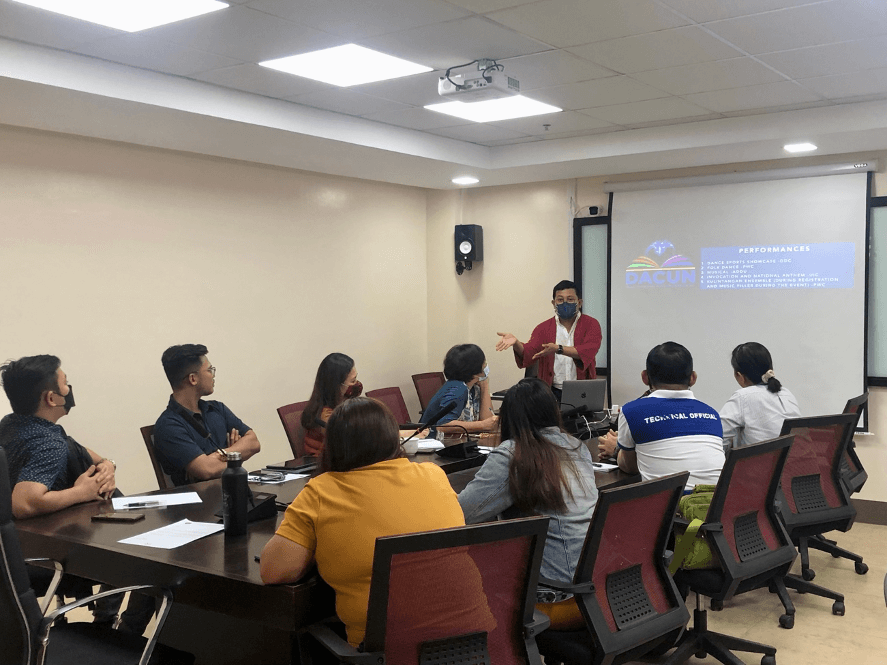
When I became the three-term Chair of the Culture and Arts Committee of the Davao Colleges and Universities Network (DACUN), I was able to spearhead and facilitate the launching of long-term culture and arts programs: 1. Research and Publication; 2. Literary Arts, Productions, and Creatives; 3. Cultural Immersion and Linkages, and 4. Artist and Audience Development, Support and Education. These programs intend to provide holistic and transformative roles and potentials for student artists, creatives, and innovators in artistic excellence, cultural sensitivity fostering, and cross-cultural exchanges and collaborations among its affiliated academic institutions in Davao City, Philippines.
Lastly, I co-founded the Office of Student Affairs (OSA)’s culture and arts program for formation/non-academic and founded three performing arts companies at Ateneo de Davao University, namely:
1. Ateneo Repertory Company (musical theatre)
2. Ateneo Dance Crew (street dance and other emerging dance styles)
3. Ateneo Sidlak Performing Arts Collective (cultural/folk).
When I was assigned to head/manage the Ateneo Culture and Arts Cluster (ACAC) of the OSA for 7 years at Ateneo de Davao University, my direct tasks and responsibilities are as follows: 1. Strengthens the vision and mission of the University culture and arts program, particularly as formation: 2. Facilitates activities of the Higher Education Community; 3. Monitors and evaluates the activities of the ACAC; 4. Supervises off-campus culture and arts performances, productions, and competitions; 5. Spearheads training and workshops for the Ateneo Culture and Arts Cluster and other groups; 6. Manages the social media accounts of the Office of Student Affairs and Ateneo Culture and Arts Cluster: 7. Assists the Performing Arts and Productions Strand of the Ateneo Culture and Arts Cluster; 8. Evaluates the artistic and academic requirements for the student artists (dancers, singers, theater actors, etc.) to remain as members of the performing arts companies of ACAC; 9. Promotes culture and arts initiatives within the Higher Education Unit and with other cultural organizations; 10. Fosters collaborations and linkages with local, national, and international partners and sponsors; 11. Co-produces cultural shows and productions; 12. Arranges rehearsals for the performing arts companies; 13. Conducts seasonal and annual assessment of activities; 15. Represents the University at cultural events, conferences/fora, community development initiatives, meetings, etc. among others.
Moreover, during my term as Chair, I initiated varied artistic initiatives/projects both online and in-person, such as: 1. Digital launch of DIGITS (Digitization of Goals for Interconnectivity and Synergy), 2. I-Sayaw (To Dance): An Online Workshop on Dancesports, Street Dance, Contemporary and Folk Dance Traditions, 3. E-Hulma (To Form/Mold): Molding Musical Literarcy and Appreciation in Musical Education, 4. E-Katha (To Write/Create): Discovering the Basics of Songwriting, 5. International Learning Sessions on Performing Arts with the American Dramatic Academy (AMDA), 6. Kaayohan (Welfare/Positivity): The DACUN’s Homage to Culture and Arts, 7. Panuhid (Research): A Research Colloquium on Cultural and Performance Studies, 8. Handuraw (Remembrance): A Digital Literary Folio, 9. Tanghal (A Show): The Culture and Arts Unplugged Performance Series, among others.
Here are some of the photos of those cultural programs and initiatives that I facilitated:


Here are some of the snaps of my involvement with DACUN Culture and Arts Committee:

After finishing my PhD in Performance Studies, I’m directed to author/craft a holistic culture and arts curriculum in the Mindanao context at Ateneo de Davao University, my Higher Education Institution (HEI). The said curriculum will hopefully be under the same University’s Department of Languages, Literature and Arts (DLLA) tutelage. And I’m looking forward to more artistic, collaborative, and curricular-infused engagements highlighting the Mindanao studies, its cultures, and creative expressions.

摘譯、責任編輯:解佳蓉
審稿:李先達、陳志豪